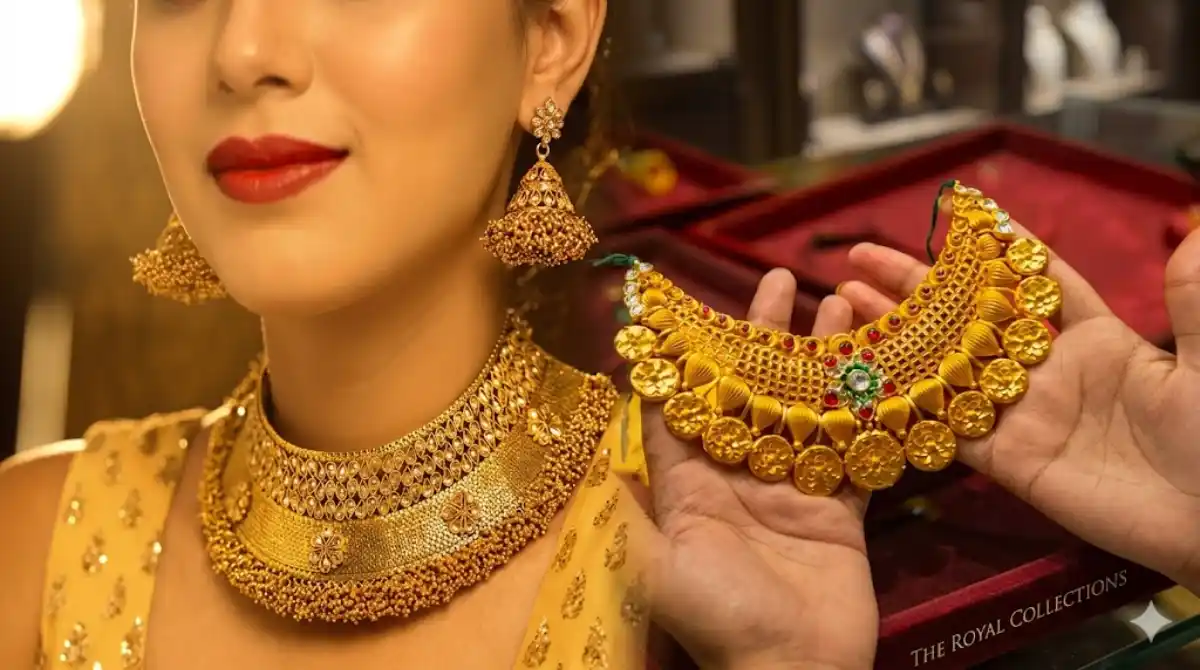
Gold jewellery effect on Gold price: If you have ever wondered whether the gold jewellery people buy at weddings or festivals actually changes the price of gold — the answer is yes. Gold jewellery demand is one of the most powerful forces that drives gold prices, especially in countries like India and China.
In this article, we will explain in simple words how gold jewellery demand affects gold prices, why it matters for investors, and what patterns you should watch out for.
How gold jewellery effect on gold price
Gold is a commodity. Like any product, when more people want to buy it, the price goes up. When fewer people buy it, the price can fall. Jewellery accounts for roughly 50% of total global gold demand, making it the single biggest driver of gold consumption in the world.
When jewellery demand rises — during wedding seasons, festivals, or economic booms — jewellers need more gold to make their products. They buy from suppliers and bullion traders. This increased buying creates upward pressure on gold prices.
India and China: The Giants of Gold Jewellery Demand
India and China together consume nearly 50% of the world’s gold jewellery. India alone accounts for about 25% of global gold demand. Here is how each country influences prices:
- India: Gold buying spikes during Diwali, Dhanteras, Akshaya Tritiya, and the wedding season (October to December). When Indian buyers are active, global gold prices feel the pressure.
- China: Demand rises sharply during Chinese New Year and other festive periods. Chinese consumers buying gold jewellery in bulk can push prices higher globally.
If buying slows down in these two countries — due to high prices, recession, or low consumer confidence — global gold prices often dip.
Seasonal Patterns in Gold Jewellery and Price Movement
Gold prices often follow predictable seasonal patterns because jewellery demand is not constant throughout the year. Analysts and investors study these patterns closely:
- October to December: Festive and wedding seasons in India push up demand. Prices tend to be firm or rising.
- January to February: Chinese New Year buying boosts demand from the East.
- April to June: Post-festival slowdown can soften prices slightly unless other factors support gold.
- Mid-year lull: Demand traditionally dips during summer months in the Northern Hemisphere.
Of course, these patterns can be broken by major events like inflation shocks, geopolitical crises, or central bank activity.
Gold Jewellery Exports and Their Effect on Prices
Gold jewellery exports also play a role in price movement. Countries like India, Italy, and Turkey export billions of dollars worth of gold jewellery every year. When export demand rises, domestic jewellers need more raw gold — driving up their buying and adding to global demand.
In India, for example, a rise in gold jewellery exports can tighten the local gold supply, pushing prices up both locally and contributing to global pressure.
When Jewellery Demand Falls: Effect on Gold Price
The relationship works in both directions. When gold jewellery demand falls, the effect on gold prices can be noticeable:
- High gold prices themselves reduce jewellery buying — buyers wait for prices to fall, which can then ease demand pressure.
- Economic slowdowns reduce consumer spending on jewellery, reducing gold demand.
- Import restrictions (like India’s past gold import duties) can sharply cut jewellery buying and affect local prices.
This self-correcting loop is one reason gold prices do not rise endlessly — high prices kill demand, which eventually brings prices back down.
Recycled Gold: The Hidden Factor
When gold prices are very high, consumers often sell their old gold jewellery back into the market. This recycled gold increases supply and can put a ceiling on how high prices can go. In India, recycled gold contributes a significant portion of total gold supply during high-price periods, which helps stabilise prices.
Gold Jewellery vs Investment Demand: Which Has More Power?
In recent years, investment demand — through gold ETFs, sovereign gold bonds, and central bank buying — has grown significantly. During financial crises, investment demand can overshadow jewellery demand and become the dominant price driver.
However, in normal economic conditions, jewellery demand remains the foundation of gold prices. It provides a steady base that supports prices even when investor sentiment is weak.
Key Takeaways for Investors
- Gold jewellery demand, especially from India and China, is a major driver of global gold prices.
- Seasonal buying patterns — weddings, festivals, holidays — cause predictable fluctuations in gold demand and prices.
- When jewellery demand falls due to high prices or economic slowdown, gold prices can soften.
- Recycled gold sold during high-price periods adds supply and limits extreme price spikes.
- Smart investors watch Indian and Chinese demand trends as part of their gold price analysis.
Conclusion
The gold jewellery effect on gold price is real, significant, and follows patterns that informed investors can use to their advantage. Whether you are a buyer, seller, or long-term investor, understanding how jewellery demand shapes gold prices will help you make smarter decisions.
Keep an eye on festive seasons, export trends, and consumer sentiment in India and China — these are some of the most reliable early signals for where gold prices may be heading next.