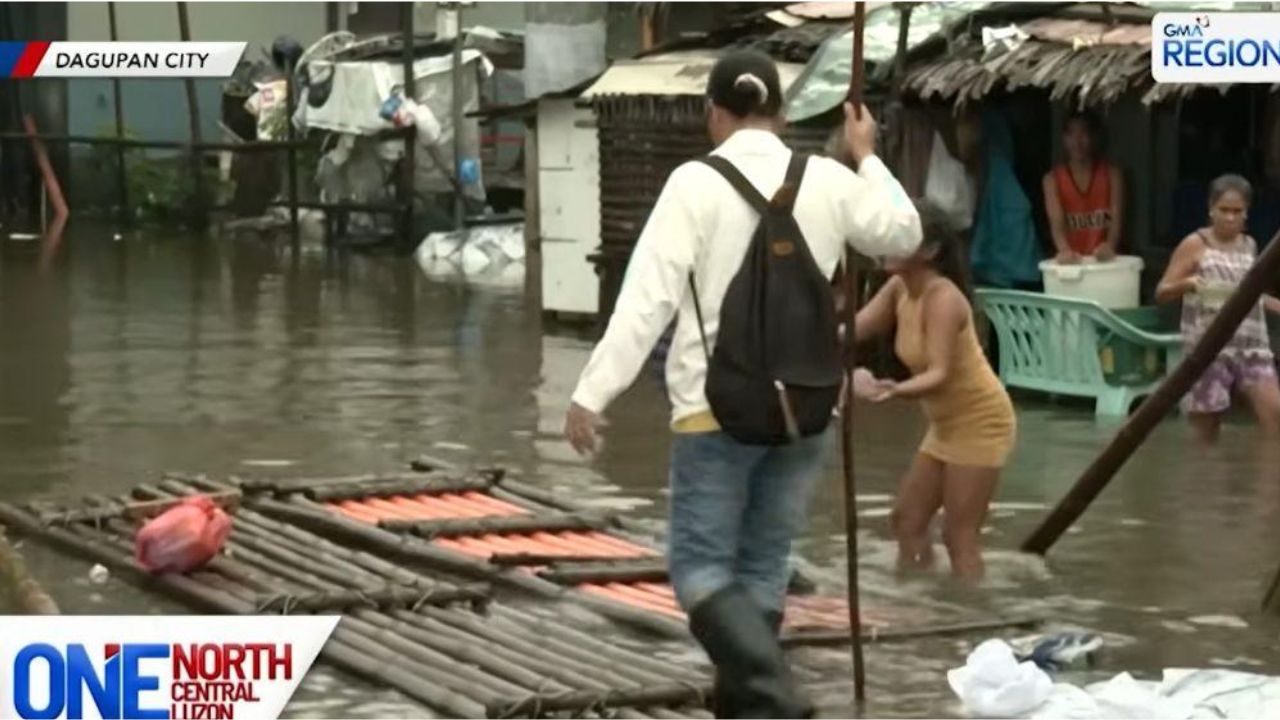
The weather situation in the Philippines has once again turned extremely dangerous. Continuous heavy rains, floods, and landslides across the country have severely disrupted daily life. Recently, the Office of Civil Defense (OCD) has confirmed that a combined and lethal impact of Tropical Cyclones ‘Luis’, ‘Maymay’, and the southwest monsoon, known as ‘Habagat’, has resulted in 6 reported deaths nationwide.
Due to this disaster, not only has widespread destruction occurred in various parts of the country, but thousands of families have also been forced to seek shelter in safe locations. In this detailed article, we will explore the scale of this disaster and examine which regions suffered the greatest damage.
Casualties and Validation
According to overall data and police reports, 6 lives have been lost due to the impact of this severe weather and subsequent disasters. Office of Civil Defense (OCD) Deputy Administrator and Assistant Secretary Bernardo Rafaelito Alejandro IV provided this information during an interview:
- Rodriguez, Rizal: Two people lost their lives in this area due to a dangerous rockslide and landslide incident.
- Benguet: In La Trinidad, a severe landslide caused an eatery to be buried under debris, resulting in 2 fatalities.
- La Union: Two deaths were confirmed due to separate drowning incidents in the region.
Disaster management officials and the OCD state that these accidental deaths are directly linked to the heavy rains and disasters triggered by ‘Luis’, ‘Maymay’, and ‘Habagat’, although final data validation processes are still ongoing under official protocols.
Affected Population and Areas
Due to the simultaneous activity of these three weather systems (Luis, Maymay, Habagat), several regions across the Philippines have been severely impacted. According to national disaster reports:
- Affected Families: Approximately 39,879 families, translating to a total of 132,956 individuals, have been affected by these disasters nationwide.
- Mainly Affected Regions: The Ilocos Region, Cagayan Valley, Central Luzon, Bicol, Zamboanga Peninsula, and the Cordillera Administrative Region (CAR) are among the hardest hit.
- Evacuation Centers: To shelter displaced citizens or those residing in high-risk zones, local administrations have set up dozens of evacuation centers. Currently, over 2,000 families (around 6,000+ people) are taking refuge in government and local relief camps.
Government and Rescue Agency Response
The Philippine government, the Office of Civil Defense (OCD), the Philippine National Police (PNP), and the Philippine Army are actively engaged in Humanitarian Assistance and Disaster Response (HADR) operations with full readiness:
- Rescue Operations: Rescue teams have been deployed immediately to evacuate stranded individuals from affected areas and conduct search operations in debris-stricken zones.
- Relief Distribution: Dry rations, clean water, and medical supplies are being delivered to displaced families.
- Suspension of Classes and Work: Keeping public safety in mind, classes and administrative work have been temporarily suspended in several affected cities and provinces.
Conclusion
The twin blow of typhoons like ‘Luis’ and ‘Maymay’ along with the southwest monsoon (‘Habagat’) has posed serious challenges for the people of the Philippines. The loss of 6 lives clearly highlights the severity of this disaster. Authorities are continuously urging citizens to avoid non-essential travel, stay updated on weather advisories issued by PAGASA (Philippine Atmospheric, Geophysical and Astronomical Services Administration), and evacuate high-risk zones immediately to prevent any untoward incidents.