New Delhi: In what is widely regarded as the most significant structural overhaul of the Indian Armed Forces since Independence, the long-pending plan to operationalise Integrated Theatre Commands (ITCs) has entered a decisive phase. The Ministry of Defence informed the Parliamentary Standing Committee on Defence that the final report on the proposed restructuring of the armed forces is currently under formal government review.
According to the committee’s latest report presented in Parliament, the operationalisation of theatre commands remains the only recommendation among 34 panel recommendations for which a final government reply is still awaited.
“The final report for operationalisation of theatre commands is under consideration, and further deliberations are ongoing,” the Ministry of Defence stated.
1. Background & Key Developments
The initiative to transition India’s military from service-specific operational commands to integrated geographical commands draws its intellectual roots from the Kargil Review Committee (1999–2000) and subsequent recommendations by the Naresh Chandra Task Force (2011) and Shekatkar Committee (2016).
The momentum accelerated following the creation of the Chief of Defence Staff (CDS) post and the Department of Military Affairs (DMA) in late 2019, alongside the enactment of the Inter-Services Organisations (Command, Control and Discipline) Act, 2023, which established legal framework for cross-service command authority.
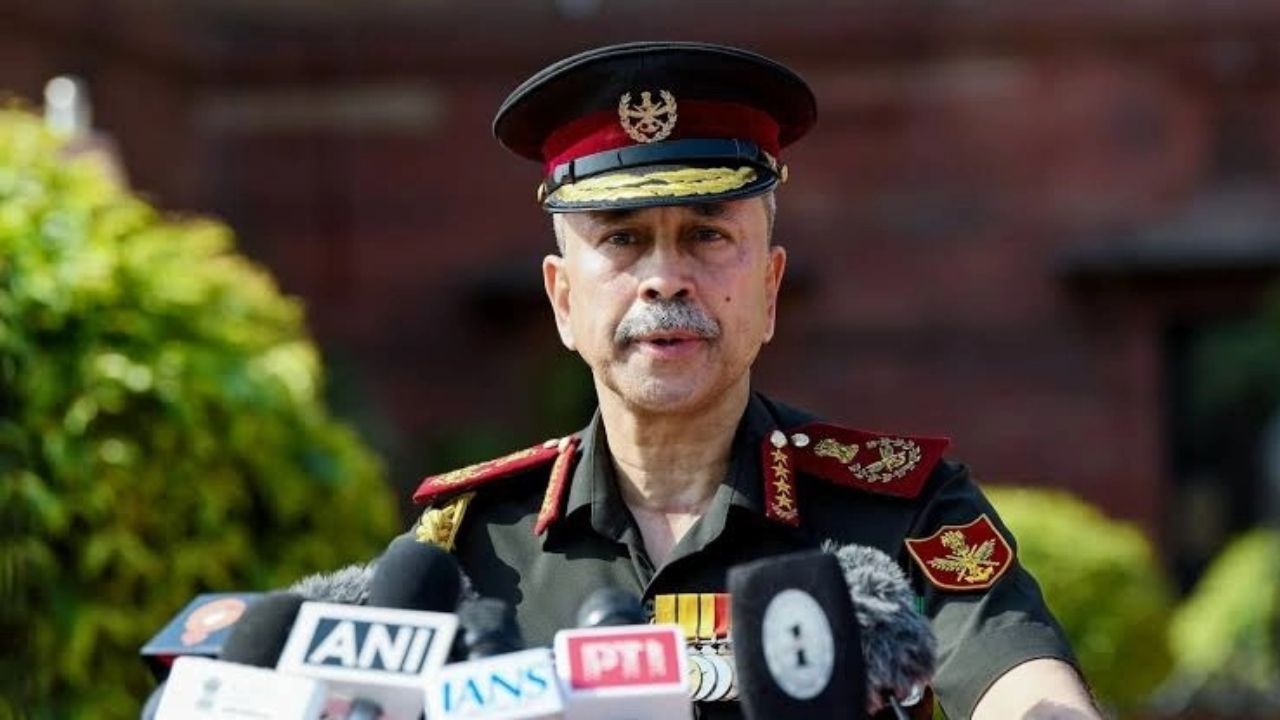
The submission of the final military report—developed after extensive inter-service deliberations led by former CDS General Anil Chauhan—marks a transition from conceptual planning to governmental decision-making under current CDS General N.S. Raja Subramani and the Ministry of Defence.
2. Proposed Theatre Architecture
India currently operates 17 single-service commands (Army: 7, Air Force: 7, Navy: 3) alongside 2 existing tri-service setups (Andaman & Nicobar Command and Strategic Forces Command). Under the new proposed architecture, these legacy operational units will be unified under three principal theatre commands:
- Northern Theatre Command: Specifically focused on the China border and the Line of Actual Control (LAC).
- Western Theatre Command: Dedicated to the Pakistan front.
- Maritime Theatre Command: Responsible for the Indian Ocean Region (IOR), coastal defence, and island territories.
3. Command Structure & Role Division
Under the proposed framework, a clear functional separation is planned between force generation and force application:
- Theatre Commanders (4-Star Rank): Will hold full operational command over all Army, Navy, and Air Force assets assigned to their specific geographical sector.
- Service Chiefs (Army, Navy, Air Force): Will transition primarily to a “Raise, Train, and Sustain” role, focusing on recruitment, equipment procurement, training, and administrative management.
- Headquarters Integrated Defence Staff (IDS): Will coordinate operational issues between the individual theatres and the Ministry of Defence via a Joint Operations Staff.
4. Expected Benefits & Strategic Impact
- Faster Decision-Making: Unifying land, air, and sea capabilities under a single operational commander enables rapid decision cycles during crises.
- Optimised Resource Allocation: Eliminates duplicate supply chains, shares joint intelligence networks, and streamlines logistics infrastructure across services.
- Multi-Domain Warfare Readiness: Enhances tri-service synchronization across modern warfare domains, including cyber, space, and cognitive operations.
5. Next Steps for Approval
With the final report now under active review by the Defence Minister and Defence Secretary, the proposal is expected to move to the Cabinet Committee on Security (CCS) for ultimate cabinet approval. Once approved, implementation will proceed in a phased manner to maintain operational readiness throughout the transition.